Case Study - LoveSans custom typeface system
A self-initiated type design project focused on building a custom sans-serif font family for branding, UI, and modern web experiences.
- Client
- Connor & Co.
- Year
- Service
- Typeface design & web production
Overview
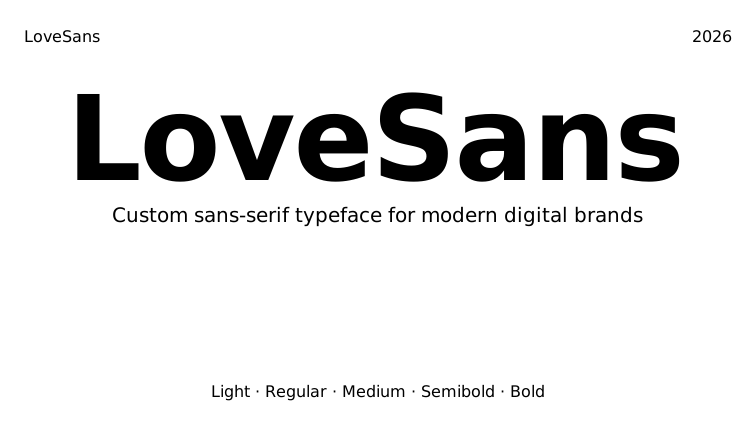
LoveSans is a custom sans-serif typeface system created as an independent project for modern digital brands. The goal was not just to draw a set of letterforms, but to build a practical design asset that could hold up across websites, interfaces, and broader brand systems.
A lot of digital products rely on the same small group of familiar fonts. Those choices can be functional, but they often do very little to create a distinctive identity. LoveSans was designed as a response to that. The project explored what happens when typography is treated as a core brand asset instead of a default setting.
From the start, the focus was on clarity, range, and implementation. The family includes multiple weights and italic styles so it can support large headlines, interface labels, editorial layouts, and marketing pages. Beyond the design of the letterforms themselves, the work also included file production, family organization, and preparation for real web use.
The challenge
Typography has a major effect on how a product or brand is perceived, yet it is often one of the least intentional parts of digital design. Many websites use fonts that are acceptable, but generic. That makes it harder for a brand to feel distinct, polished, and memorable.
The challenge with LoveSans was to create a type system that felt contemporary and controlled without becoming cold or mechanical. It needed to be flexible enough for both UI and marketing use, while still having enough personality to stand apart from more standard sans-serif choices.
The project also needed to go beyond a single style. To be useful in real work, the typeface needed a clear family structure, consistent spacing, dependable weight progression, italic support, and production-ready web exports.
Goals
- Design a custom sans-serif type family with a clear, modern voice
- Create a system that works across branding, website copy, and interface design
- Build multiple weights with matching italic styles for practical use
- Export the family into web-ready file formats for implementation
- Show a full design-to-production process that reflects the same care brought into client work
Approach
The work began by defining the overall direction of the typeface. LoveSans was designed to feel clean, stable, and contemporary, with an emphasis on readability and control. The shapes were kept restrained enough for functional use, but not so neutral that the typeface lost its own identity.
As the design direction became clearer, the project expanded into a full family system. Each style had to feel distinct in weight and tone while still belonging to the same structure. That required careful attention to proportions, spacing, repeated forms, and rhythm across the family.
The family was then prepared for practical use. Each style was exported into production formats, including WOFF2 for modern web delivery. Organizing the files properly was part of the design process, because a strong design asset also needs to be easy to implement and maintain.
Typeface showcase
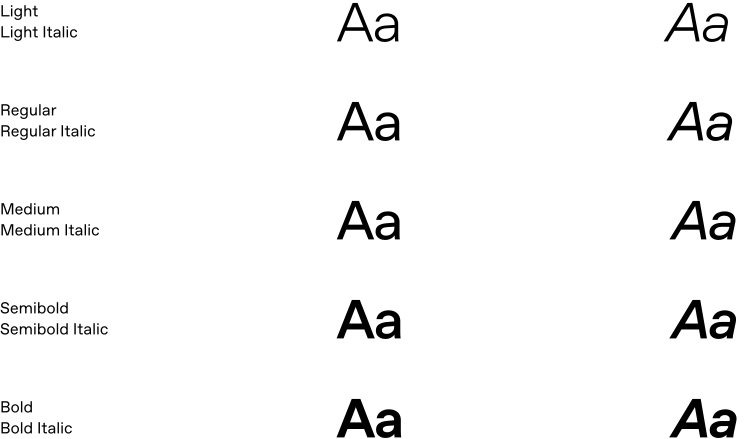
LoveSans was built as a full family rather than a single display cut. The finished set includes:
- LoveSans Light
- LoveSans Light Italic
- LoveSans Regular
- LoveSans Regular Italic
- LoveSans Medium
- LoveSans Medium Italic
- LoveSans Semibold
- LoveSans Semibold Italic
- LoveSans Bold
- LoveSans Bold Italic
This structure makes the typeface much more useful in real design systems. Lighter styles work well in spacious editorial layouts and minimal compositions. Regular and medium weights are strong for body text, interface copy, and navigation. Semibold and bold styles create stronger hierarchy for headings, calls to action, and key moments. The italic variants add flexibility for emphasis, supporting copy, and more expressive applications.
Letterforms and character set
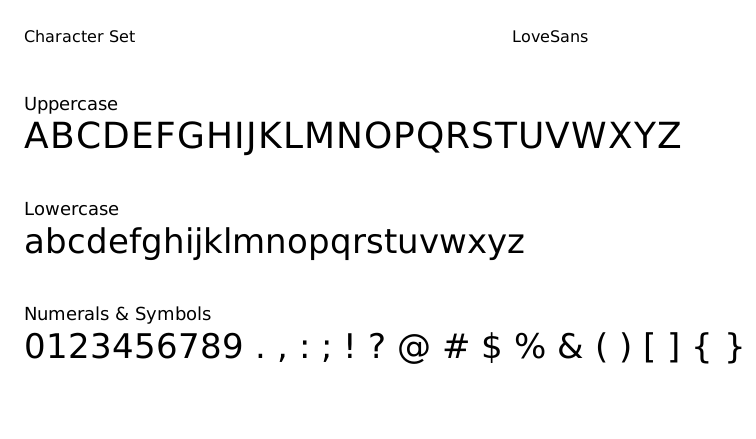
A major priority in LoveSans was balance. The typeface needed to feel refined without becoming delicate, and modern without becoming sterile. That meant paying close attention to spacing, repeated forms, stroke consistency, and the overall rhythm created across lines of text.
The letterforms were designed to stay visually stable in both display and functional settings. Open shapes and controlled proportions help support readability, while the overall construction keeps the family feeling cohesive across different sizes and uses.
The result is a typeface that feels disciplined and usable, while still giving a brand a more original foundation than a system font or a widely used free alternative.
Weight and italic system
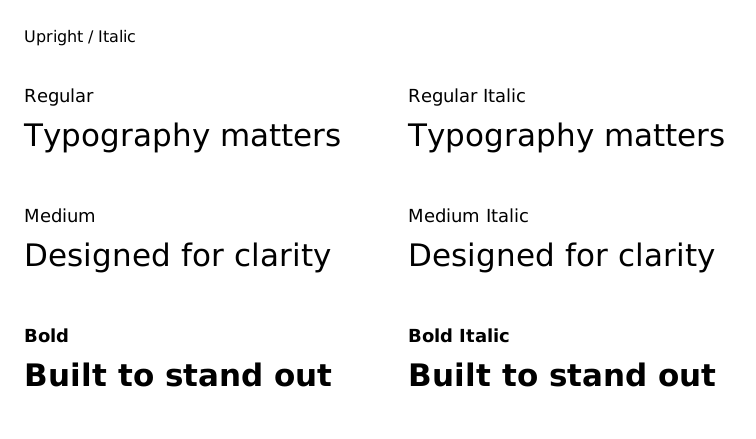
One of the main goals for LoveSans was to make it feel like a real system rather than a single visual exercise. Each weight was designed to create a noticeable shift in emphasis without breaking the overall identity of the family. That consistency becomes especially important when the typeface is used across pages, components, and interface states.
The italic styles were treated as an essential part of the family, not just a technical addition. They bring more flexibility for emphasis, supporting content, and expressive moments while still maintaining the same overall tone as the upright styles.
Together, the upright and italic cuts make LoveSans much more practical for real digital work. They allow the typeface to support a broader set of design needs without forcing a brand to rely on unrelated secondary fonts.
In use on the web
A typeface becomes much more valuable when it is shown in context. LoveSans was designed to work not just as a specimen, but as a functional asset for modern websites and digital brand experiences.
To test that, the font was applied to page layouts with hero sections, supporting copy, feature grids, and calls to action. This made it possible to evaluate how the typeface performs at different sizes and how well it supports hierarchy across a full page.
The result is a typeface that feels confident in large display use while still remaining clear and steady in smaller supporting text.
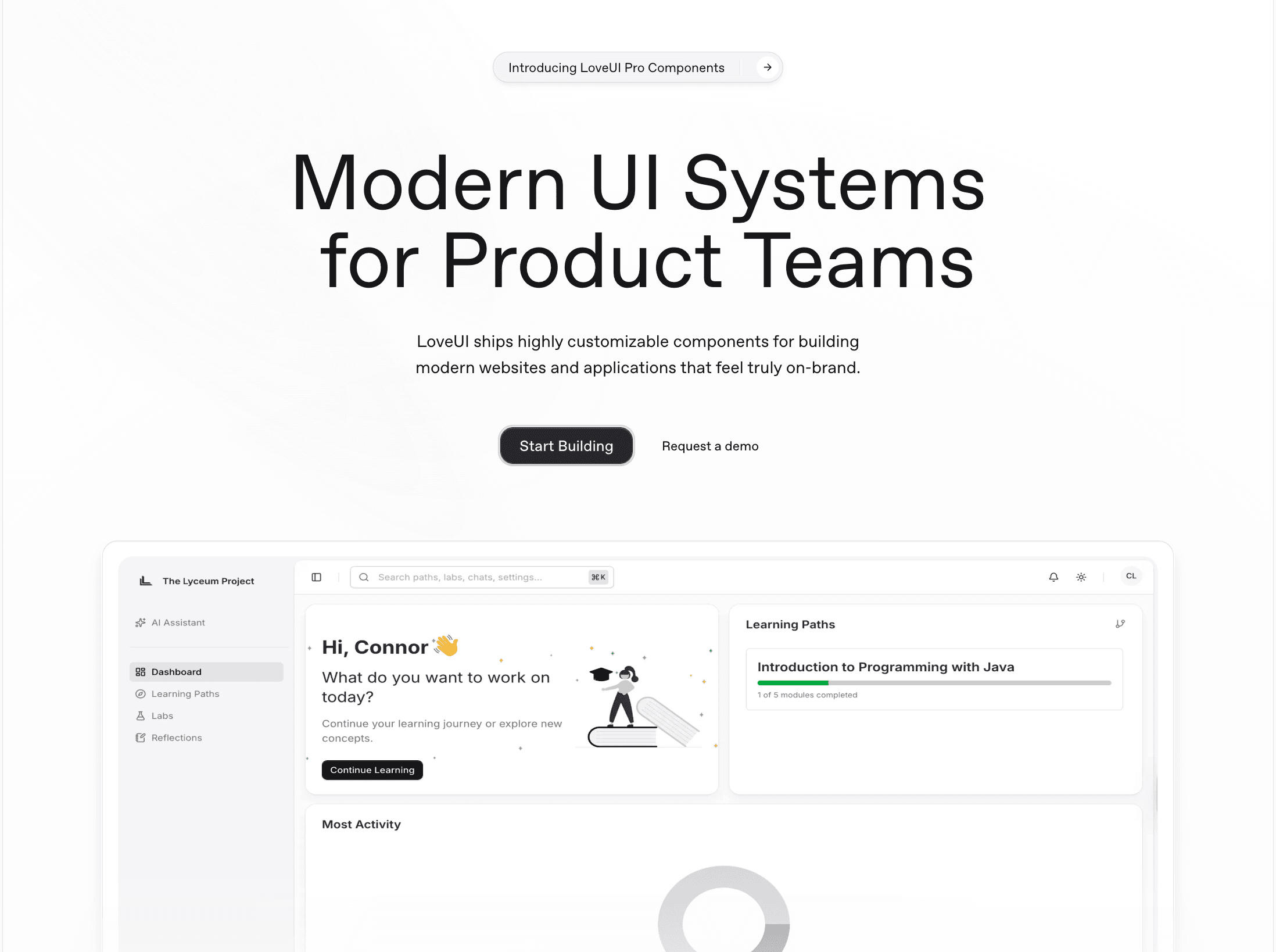
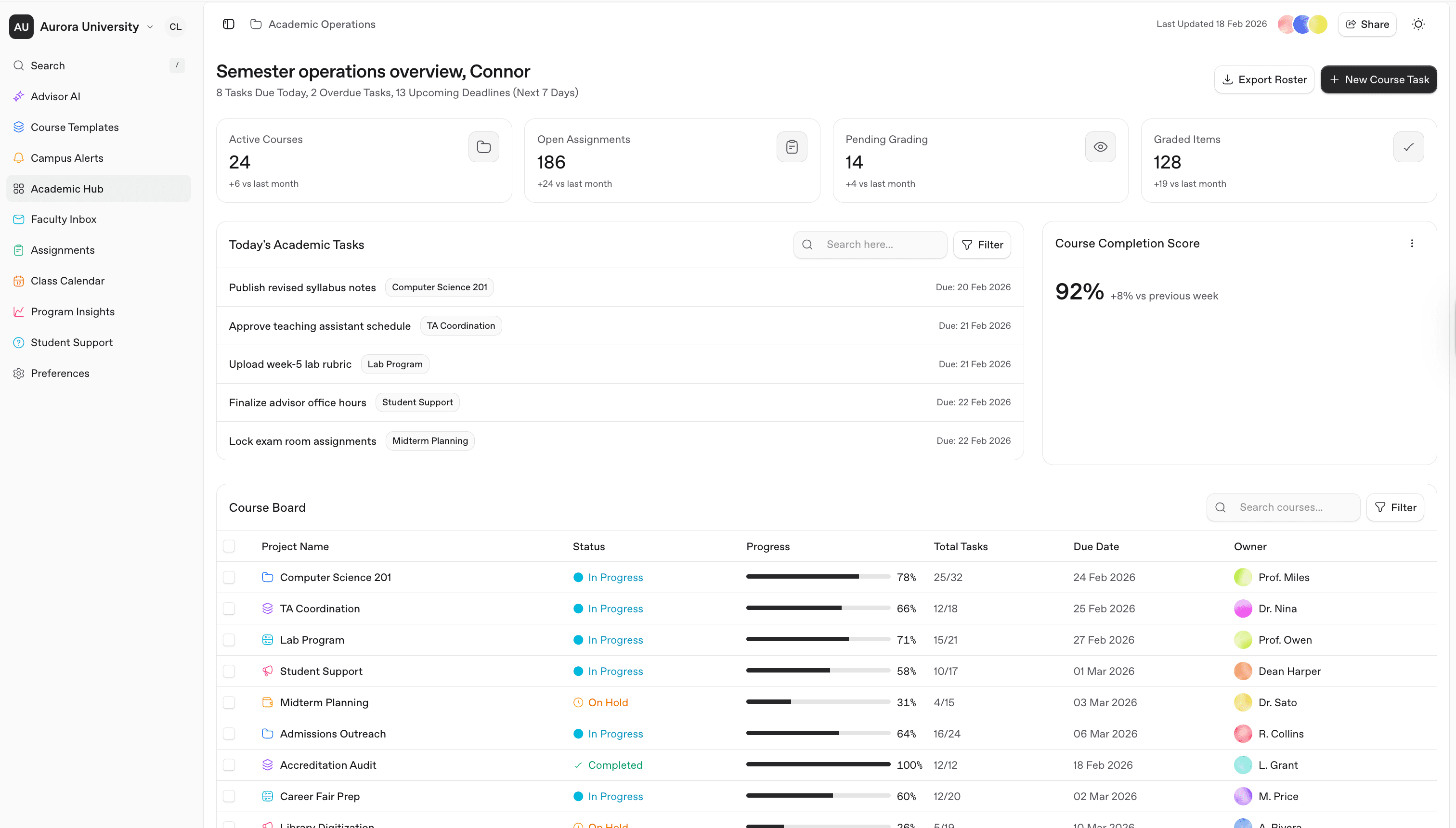
In use in product UI
LoveSans was also evaluated from a product and interface perspective. Fonts behave differently in UI than they do in marketing layouts. Interface use demands legibility, rhythm, and dependable rendering across labels, buttons, cards, navigation, and denser content areas.
Testing the typeface in UI scenarios helped confirm that it could support practical product use, not just branding visuals. That makes the family more useful as a system, especially for brands that want one typographic direction across both their public-facing website and their product interface.
Production and implementation
This project also included the technical side of type production. Once the family structure was established, the fonts were exported and organized into formats suitable for both design workflows and front-end implementation.
The final outputs included web-friendly assets such as WOFF2, which is important for modern websites because it helps reduce file size while maintaining strong visual quality. Organizing the family properly also makes it easier to write clean @font-face rules, map weights accurately, and maintain consistency in production.
Because this project sits between branding and development, implementation was treated as part of the work itself, not as a separate afterthought. That matters in real client projects, where design decisions only become valuable when they can be shipped clearly and reliably.
Why this matters for clients
LoveSans is a self-initiated project, but the value of the work is directly relevant to client work. It shows how custom assets can strengthen digital identity and how thoughtful systems are built with real use in mind.
For brands, typography affects first impression, credibility, consistency, and overall polish. A well-designed type system can make a website feel more intentional, more ownable, and more aligned with the company behind it. It can also create a stronger foundation across marketing pages, product UI, presentations, and other brand materials.
This project reflects the broader way Connor & Co. approaches digital work: not just improving how something looks, but building systems that are original, practical, and ready for real implementation.
Outcome
LoveSans became more than a design experiment. It developed into a complete type family that demonstrates both visual judgment and technical execution. The finished system shows the ability to create original brand assets, think in scalable systems, and prepare design work for real web environments.
For Connor & Co., the project also serves as a clear example of the level of detail and craftsmanship brought into client work. Even though LoveSans was self-initiated, the process behind it mirrors how strong digital products are built: clear goals, careful design decisions, and disciplined implementation from start to finish.
Project highlights
- Custom sans-serif type family
- 5 weights with matching italic styles
- Designed for branding, UI, and web use
- Exported into production-ready font formats
- Built as a complete digital asset system, not a one-off visual exercise
LoveSans was an opportunity to build an original asset from the ground up and treat typography as part of the product, not just surface styling. It reflects the same level of care we bring to design systems, branding, and front-end execution for client work.

Founder & Lead Developer
- Font Styles
- 10
- Weights
- 5
- Export Formats
- 4
- Web Ready
- 100%
Download LoveSans
The full LoveSans font package is available as a zip download and includes the full family shown in this case study.